The passage of the One Big Beautiful Bill Act (OBBBA) shocked the U.S. economy, which was experiencing record investments in new affordable energy projects, improving home and business access to efficient products, and supercharging domestic clean manufacturing. Energy Innovation projects the energy provisions in the OBBBA will cost American households and businesses $170 billion in higher energy bills, shrink U.S. GDP by $980 billion, and cost 790,000 jobs by 2035.
Americans are increasingly under financial pressure and cannot afford higher electricity bills. One-third of U.S. households reduced spending on basic needs like food and medicine to pay energy bills during the last year, while nearly a quarter were unable to keep their home at a safe temperature because of concerns about high bills.
Unfortunately, OBBBA drives up the cost of our fastest and cheapest new energy sources by 30-50 percent, while it erases incentives for more affordable transportation and heating options. In addition to hitting families where it hurts, the law removes low-cost options to meet skyrocketing electricity demand and cedes national industrial leadership to other nations.
This Blueprint for States provides a starting place for state policymakers to develop rapid responsive strategies to lead where the Federal government has failed. Our Blueprint shows how, regardless of budgetary flexibility, states can take immediate action to continue attracting private-sector investments, deploying lower-cost clean energy, protecting U.S. households from rising costs, and restoring economic opportunities for their constituents.
Five no-regrets actions policymakers should take:
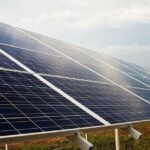
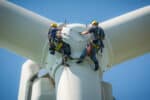
- Accelerate construction of planned wind and solar projects in the next few months to ensure developers and utilities can optimize federal tax support and reduce long-term energy costs for all.
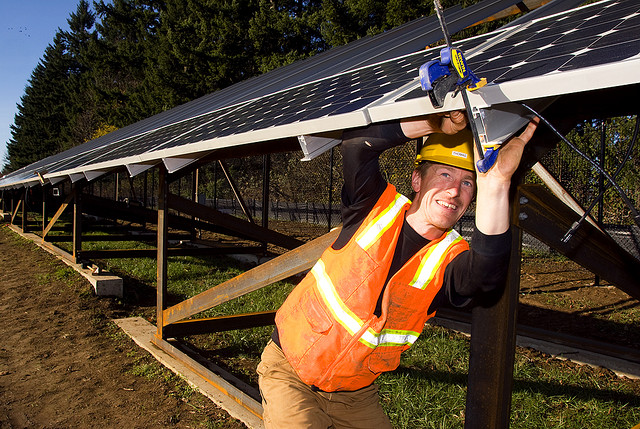
- Remove barriers to clean energy by streamlining deployment, improving the use of existing infrastructure, and reducing soft costs; cut red tape for businesses and households to install clean energy.
- Sustain momentum for electric transportation through a mix of policies that will sustain the growing market for electric vehicles and charging infrastructure.
- Double down on efficiency and electrification for buildings and factories by supporting technologies that provide clean, efficient heat and cooling and by adopting modern energy codes and standards; offer incentives and enable financing to level the playing field for energy saving measures.
- Stimulate investment in new clean industries, such as modern, efficient heating equipment and industrial parks designed to reduce the infrastructure costs and investment risks of cleaner manufacturing.
For more information, contact us here.
Click on the issue areas below for a deeper dive.