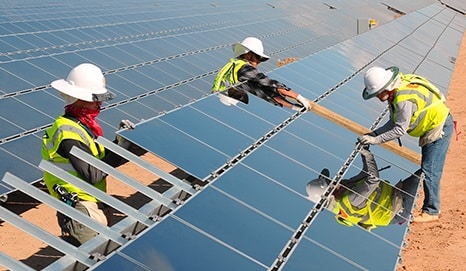
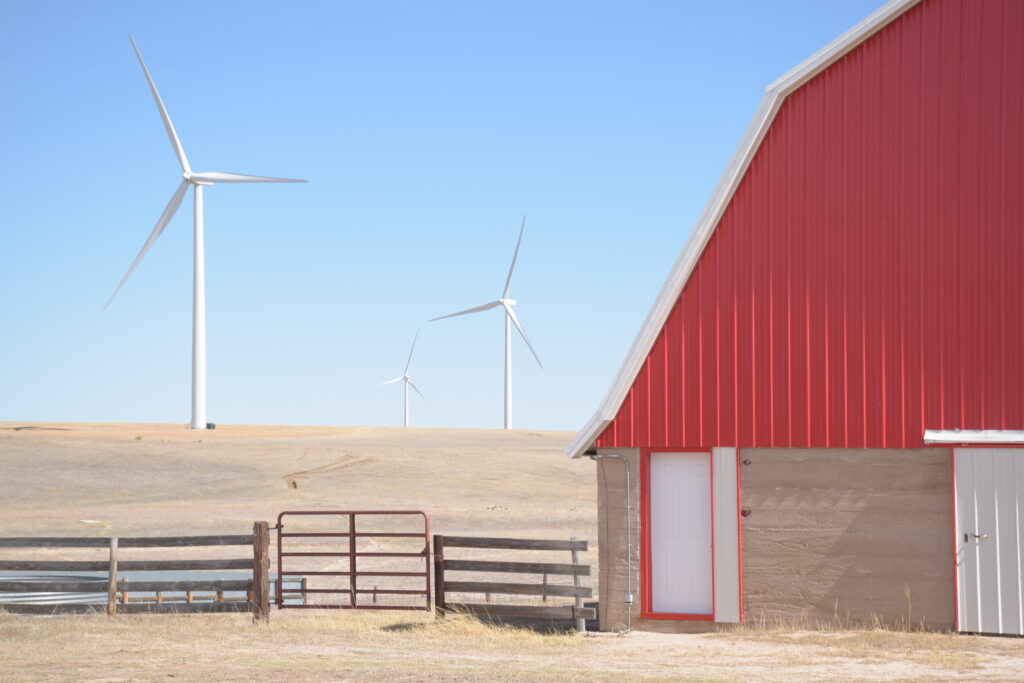
The Inflation Reduction Act (IRA) of 2022 marked the single largest investment in climate and energy in American history, supporting homegrown clean energy, electrification, and manufacturing and putting the U.S. on a pathway to a net-zero economy by 2050. The IRA has since generated $600 billion in private investment across roughly 750 domestic clean energy projects, creating more than 406,000 new American jobs. But the IRA is now under threat, with calls to repeal federal funding and tax credits. Host Sara Baldwin speaks with Robbie Orvis of Energy Innovation to discuss how the IRA has transformed the U.S. economy and the harmful impacts of possible IRA repeal, including lost jobs and higher household energy costs.
Guest Bio:
Robbie Orvis is the Senior Director of Modeling and Analysis at Energy Innovation where he provides policy modeling, analysis, and design insights to decision-makers, think tanks, advocates, and philanthropic groups. As a specialist in energy and climate policy, Robbie works with policymakers around the world to analyze legislation and regulation and to provide insights on how to achieve climate goals. He has helped develop and deploy Energy Policy Simulator models in more than a dozen countries and is the lead author of Designing Climate Solutions: A Policy Guide for Low-Carbon Energy. Robbie holds a Master of Environmental Management from Yale University and a B.S. from the University of California, Berkeley.
Electrifying News:
- More Wisconsin cities are powering municipal operations with renewable electricity (Wisconsin Public Radio)
- Rivian startup is focused on small, lightweight electric vehicles (LA Times)
- Hyundai to make ‘low-carbon’ steel at $6B plant in Louisiana (Canary Media)
To dig in deeper, check out these must-read resources:
- Inflation Reduction Act bill text (U.S. 117th Congress)
- Energy Policy Simulator Model (Energy Innovation)
- Inflation Reduction Act Repeal Harms State Economies and Raises Consumer Costs (Energy Innovation, March 2025)
- House Republican support grows for keeping clean energy tax breaks (Politico, 3/10/2025)